
Meal Planning & Eating Well
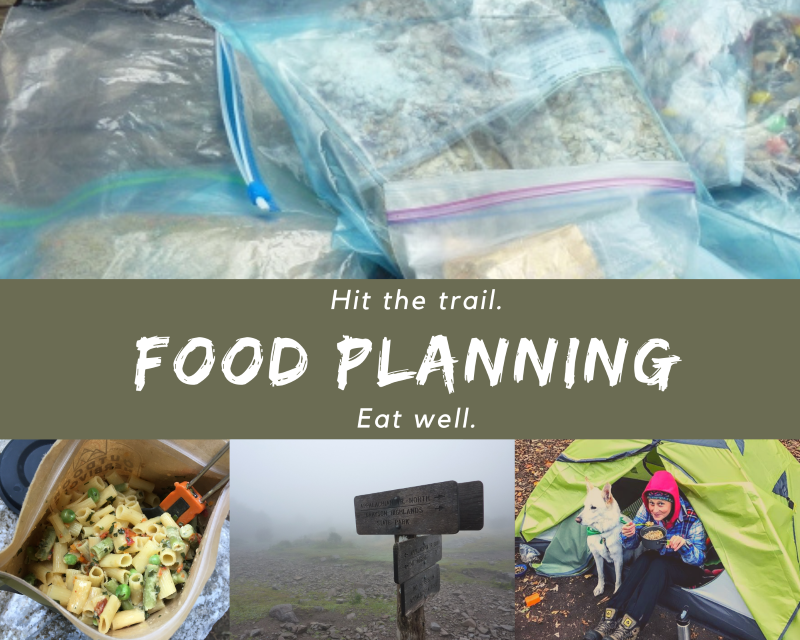
Meal preparation is an essential step in planning a backpacking trip. In the wilderness, it's important to have food that tastes good and nourishes you. You also want to make sure you pack out foods that can withstand the conditions of outdoor travel and require minimal cooking effort. The following tips will help you prepare meals and snacks for the trail.
What Foods to Pack
While freeze-dried and dehydrated backpacking meals are lightweight, convenient, and provide good nutrition and taste, they can be expensive. Instead of relying solely on these options, consider exploring the grocery store aisle for your trail food needs. Packaged foods with cooking times of 10 minutes or less can be great alternatives. When selecting these items, check the nutritional information to ensure they offer sufficient calories. A good rule of thumb is to look for meals containing at least 100 calories per ounce. You can boost the calorie content of meals by adding healthy fats such as nuts, seeds, and olive oil. For multi-day expeditions and marathons, select foods that provide at least 125 calories per ounce or 4.4 calories per gram.
Backpacking Food Preparation Tips
Dehydrated and Freeze-Dried Food Differences
Everyday Grocery Items for Backpacking
Bulk Dried Backpacking Food Ingredients
Vegetarian & Vegan Expeditions Food Tips
Planning Food for a Thru-Hike
Planning Food for a Vegan or Vegetarian Thru-Hikes
High Proteiein Vegetarian Foods to Boost Your Backpacking Meals
Resupply: How to Mail Food for a Thru-Hike and Resupply Articles by Outdoor Herbivore
What Foods to Make

Backcountry Foodie Ultralight Backpacking Recipes
Storage & Heat-Safe Rehydration Backpacking Meal Pouches
How Much Food to Pack
Backpacking Food Packing Tips
Tips For Planning Backpacking Food for Groups
Storing Food: Bear Canisters
Bear Canister Requirements in the USA
Food Considerations: No Cook, No Stove
Leave the backpacking stove at home to simplify meal preparation and lighten your pack. Going stove-less is doable, and you can still enjoy a satisfying meal. In addition to the usual options like meal bars and gorp, here are alternatives to consider.
No Cook Meals
Food Considerations: Cold Weather
Winter backpacking can require an additional 500 – 1,000 calories per day due to the increased energy demands of cold weather and high-altitude hiking. You must focus on high-fat, calorie-dense foods to meet these demands. Eating nutritionally sound foods will help you stay warm and energized. Your appetite may decrease at higher elevations and in cold conditions. Be mindful of the potential to adjust your food choices accordingly by adding simple, digestible foods such as smoothies, soups, and calorie-dense snacks for colder stretches.
Food for Winter Backpacking
Why Soup Makes the Ultimate Winter Backpacking Meal
Food Considerations: Hot Weather
Cold Meals for Backpacking
Food Considerations: Minimize Pain
Do you suffer from sore hips, neck aches, knee pain, and leg cramps on the trail? Pain is undoubtedly a common ailment among hikers. Fortunately, nature has provided us with plenty of trail-worthy foods to help minimize and alleviate inflammation and pain. Find out what spices and foods you should pack to help fight the ache.Foods to Eat that Minimize Pain and Inflammation
Cooking the Right Way
Running out of fuel mid-hike with a backpack full of freeze-dried entrées is a common concern. The boil-soak method of backcountry cooking is highly efficient because it uses less fuel and water. Here are a few strategies to conserve stove fuel.
Tips for Cooking on the Trail
Cooking at High Altitude
Tips for Cooking Backpacking Foods at High Altitude
How to Eat
Washing Dishes in the Backcountry
Don't risk your health by heating hot meals in flimsy plastic bags. We always encourage backpackers to use the proper cooking equipment for handling boiling water and hydrating food. This list of tips should help you clean up while backpacking and ensure your safety and health.
Doing Dishes on the Trail
Staying Healthy on the Trail
Avoid the temptation to eat a lot of sugary junk foods. Eating this way can result in vitamin deficiencies, which can significantly contribute to fatigue and illness among hikers. Focus on eating a variety of nutrient-rich foods, and take a multivitamin if you eat poorly in the long term.More Energy & Less Fatigue on the Trail: Iron
Strong Bones on the Trail: Calcium
Tips for Finding Low Sodium Backpacking Food and Outdoor Herbivore's Meal Recommendations for Hypertension (25% or less Sodium)
Diabetic-Friendly Backpacking Food Tips and Outdoor Herbivore's Meal Recommendations for Diabetics)